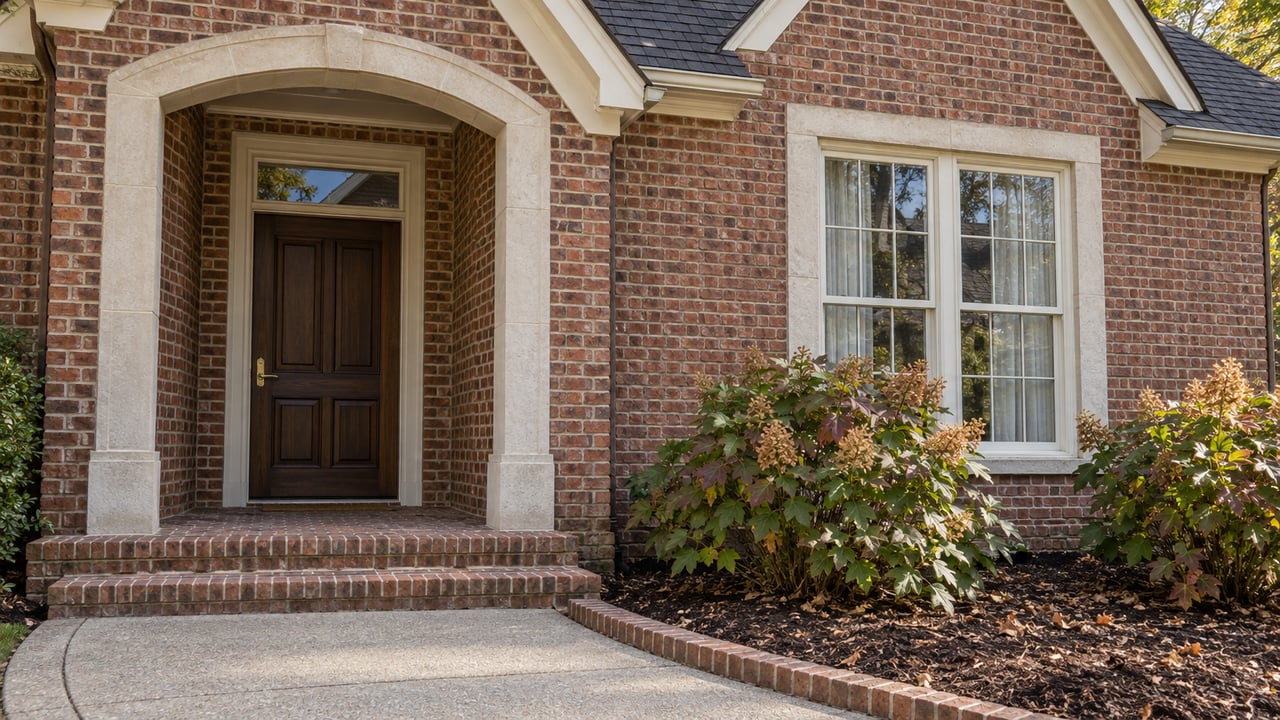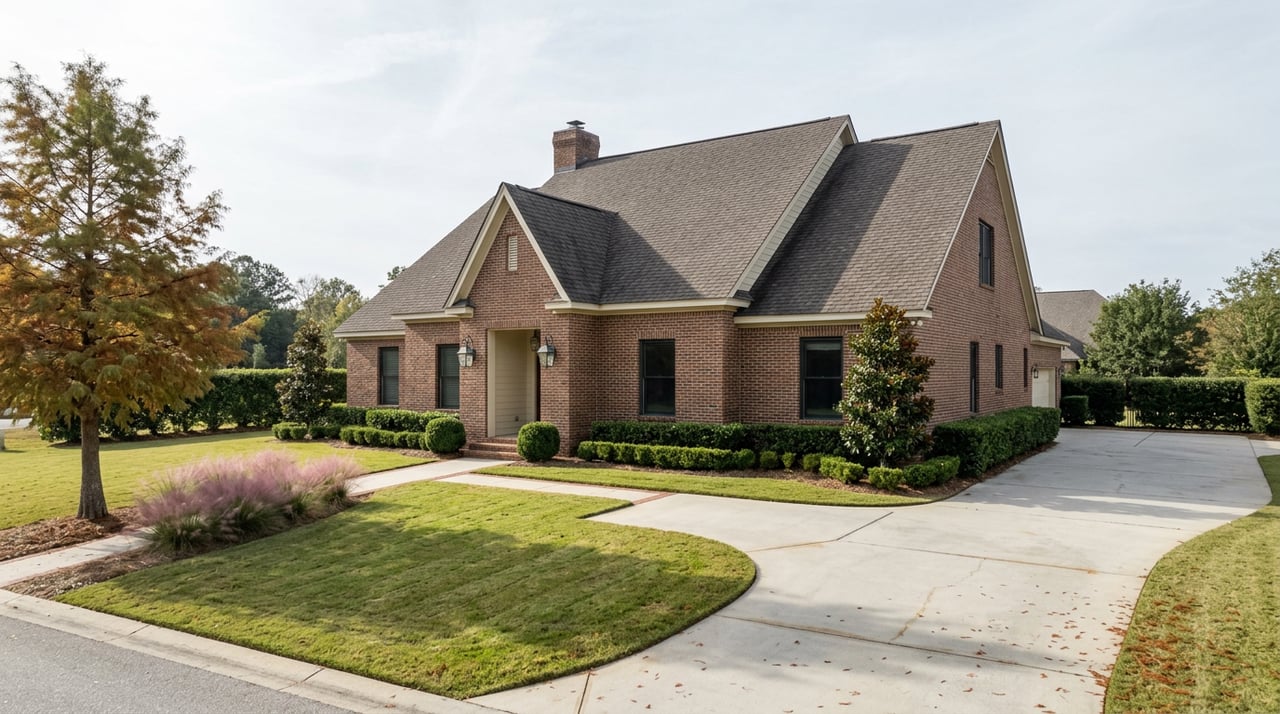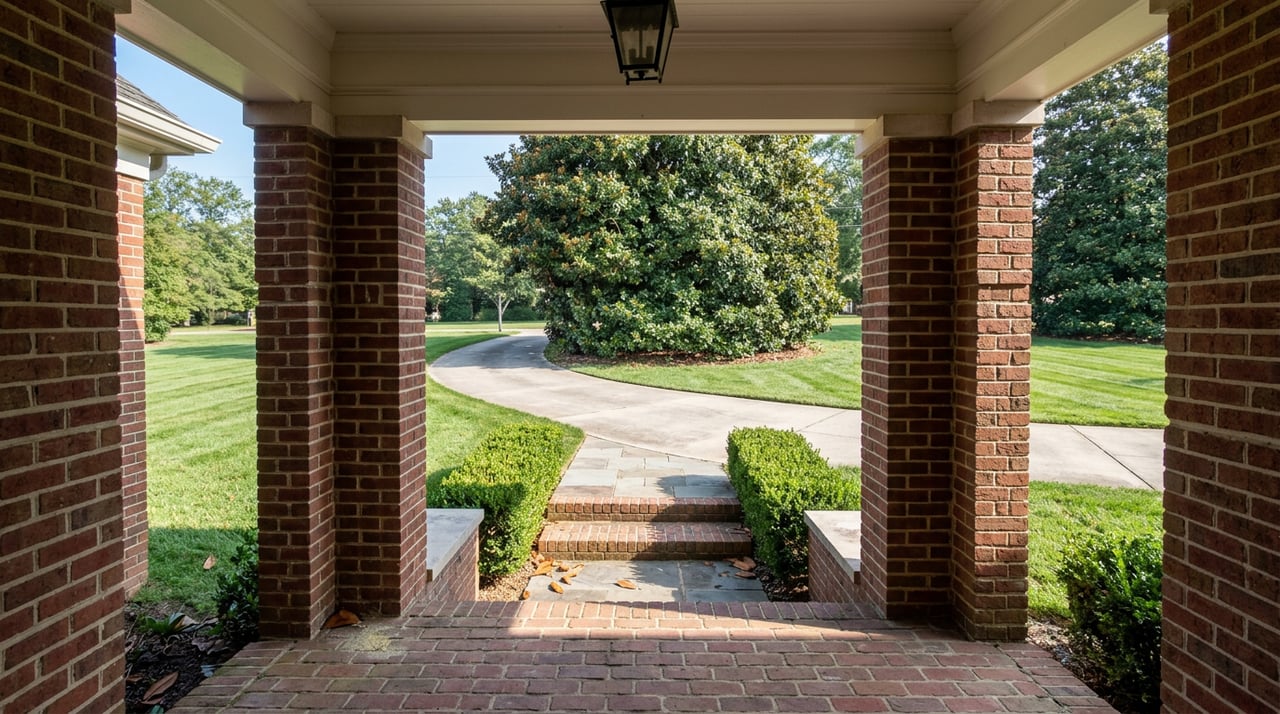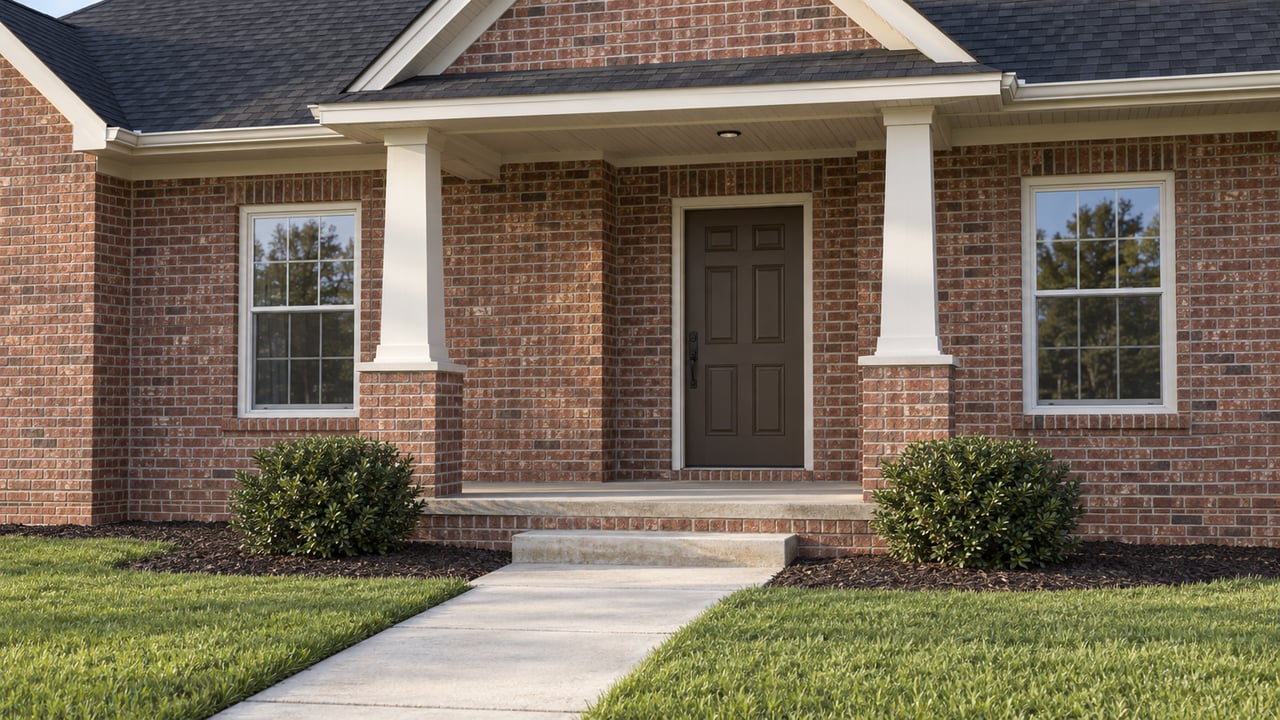
Two homes are listed this month in Anderson Oaks, the new-construction community in Pearl's 39208 ZIP code. Same subdivision, same three-bedroom price tier, both brand new builds a few doors apart. One comes with a builder offering up to $10,000 that a buyer can put toward closing costs, an interest rate buydown, or upgrades like a fence or gutters. The other comes with a flat $5,000, usable only for closing costs. The list prices sit close together. The deals underneath them do not.
If you are shopping new construction in Pearl right now, that gap is the number worth reading, not the one on the sign. The list price on a new build tells you almost nothing about what a builder will actually give up to close the sale. The concession package does. And in a subdivision where every home is being built and sold in phases, that package is often the only place a builder is willing to negotiate at all.
Same Street, Different Deal
Builders in active Pearl subdivisions like Anderson Oaks and Richburg Estates are holding their base prices steady while varying what they attach to the sale. A four-bedroom, three-bath home coming soon to Richburg Estates lists as new construction with no advertised price cut. Down the road, a similarly sized Anderson Oaks home advertises the $10,000 package described above, effective from late August 2026. The other Anderson Oaks listing offers only the $5,000 closing-cost credit. None of these builders are discounting the sticker price. They are competing entirely on what rides alongside it.
This is not a Pearl quirk. It is how new-construction pricing works almost everywhere right now, and understanding why changes how you should shop it.
Why the List Price Almost Never Moves
A builder in a multi-phase subdivision is not selling one house. They are selling every remaining lot in that phase, plus setting the value floor for the next one. Every closed sale becomes a recorded comparable that an appraiser will pull when the next buyer's loan needs a valuation, and when the builder next door prices their own new listing.
Cut the price on one home by $20,000 and that number does not disappear when the sale closes. It becomes the number a future appraiser cites, the number a buyer's agent opens negotiations with on the next lot, and, if word gets around, the number an earlier buyer in the same phase brings back to the sales office asking for a refund. Builders have strong incentive to protect the recorded price, so they route value through channels that never touch it: rate buydowns, closing-cost credits, design-center upgrades. The contract price holds. The appraisal baseline for the rest of the community holds with it.
That is exactly what the concession patterns in Anderson Oaks and Richburg Estates show in practice. The base prices barely differ. The credits attached to them vary by thousands of dollars, because that is the only lever a builder will actually pull.
What the Concession Actually Buys
Not all concession dollars do the same work, and this is where a buyer's actual leverage lives.
- A closing-cost credit covers lender fees, title charges, and prepaid items like taxes and insurance escrow. It lowers the cash you need at the table, not your monthly payment.
- A rate buydown, temporary or permanent, lowers your interest rate for a set period or for the life of the loan. It changes your monthly payment, which is what most new-construction shoppers are actually trying to solve.
- An upgrade credit applied to fencing, appliances, or window treatments adds to the home itself but does nothing for your cash-to-close or your note.
The Anderson Oaks listing offering $10,000 lets the buyer choose among all three. The one offering $5,000 restricts the buyer to closing costs only. Same subdivision, same phase, meaningfully different flexibility. A buyer comparing these two homes purely on list price would miss that the more flexible package is worth more to most household budgets than the sticker price difference suggests.
This is also where a rate buydown needs a second look. A builder covering the cost of a 2-1 buydown, where the rate drops for the first year or two before settling at the full note rate, is not the same offer as a permanent rate reduction. One eases the first couple of years. The other lowers your payment for as long as you hold the loan. Both show up as "the builder paid points" on a closing statement, and they are not interchangeable.
How Concessions Affect Appraisals
Here is the part that catches buyers who have only shopped resale. When a lender orders an appraisal on a new-construction purchase, the appraiser evaluates the home against the full contract price while weighing concessions rather than taking that price at face value. If a home is under contract at $310,000 with a $10,000 concession rolled in, the appraiser must assess whether that price is supported while accounting for the concession. If the appraised value comes in lower, the buyer is on the hook for the gap in cash, regardless of how the concession was structured.
Freddie Mac has specifically flagged this to appraisers, noting that builders can use financing incentives to support a price that would otherwise need to come down, and instructing appraisers to weigh those concessions rather than take the contract price at face value. In a subdivision like Anderson Oaks, where several homes may close in the same window with similar credit packages, that guidance matters. An appraiser who treats every one of those sales as a clean, unassisted comp risks overstating what the next home in the phase is actually worth on its own.
For a buyer, the practical takeaway is straightforward. A concession does not reduce your loan amount. It reduces your cash needed at closing or your payment. The purchase price on your loan documents, and the number your appraisal has to support, does not move just because a credit is attached.
Questions Worth Asking Before You Sign
Before putting an offer in on a new build in Pearl, a few specific questions do more work than asking for a lower price ever will.
Ask what the concession can and cannot be applied to. A $10,000 line item that only covers closing costs is a different offer than $10,000 split across a rate buydown and upgrades, even when the number on the sign is identical.
Ask whether the builder's preferred lender incentive beats an outside quote once you compare the full package. Builders frequently tie the richest concessions to using their in-house mortgage arm. That can be a genuinely strong deal, or it can be a smaller net benefit once you account for the lender's rate and fees against what an outside lender offers without the incentive attached.
Ask where you are in the build-out. Early phases sometimes carry stronger incentives to create momentum. Late phases, when a builder is clearing the last few lots, can bring different flexibility. Knowing which phase you are shopping tells you how much room actually exists.
And it is worth knowing plainly that a builder concession cannot be applied to your down payment. It can cover closing costs, prepaid items, and in some cases discount points, but the rule holds across loan types precisely so buyers keep real equity in the deal from day one.
None of this shows up on a listing sheet. It shows up in the fine print of the incentive, in the loan estimate your lender produces, and in the conversation a buyer's agent has with the builder's sales office on your behalf, since builders generally expect and budget for that representation already.
New construction in Pearl right now rewards buyers who read the concession before the price. If you are comparing offers in Anderson Oaks, Richburg Estates, or anywhere else builders are actively closing lots this fall, Stephanie Prisock Nix can walk through the actual numbers in a builder's incentive package with you before you sign, using the same finance background that reads a rate buydown the way a lender does.
This article is general information, not legal, tax or financial advice. Consult a qualified professional about your situation.