Love the charm of a Belhaven bungalow or a Fondren cottage, but worried about surprises behind the walls? You are not alone. Older Jackson homes offer character, but they also come with construction details you should understand before you buy. In this guide, you will learn what to look for in foundations, roofs, electrical and plumbing, how to navigate inspections and historic rules, and how to budget with confidence. Let’s dive in.
What “older” means in Jackson
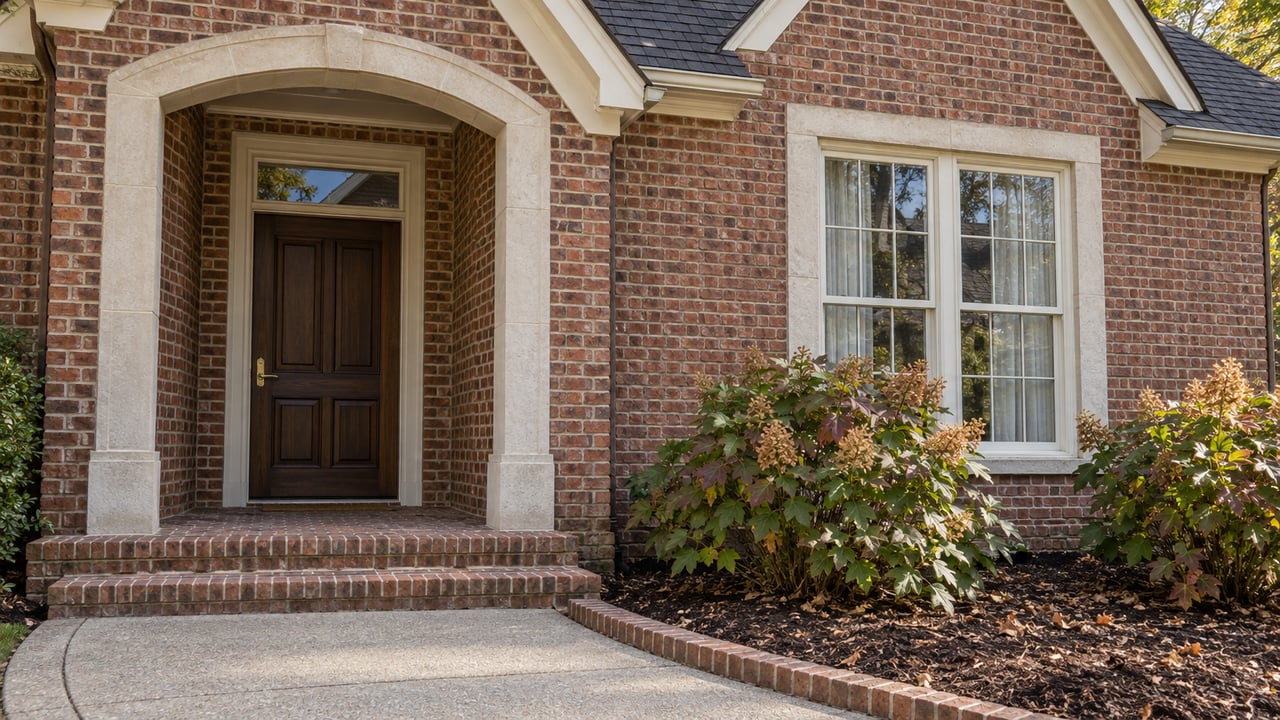
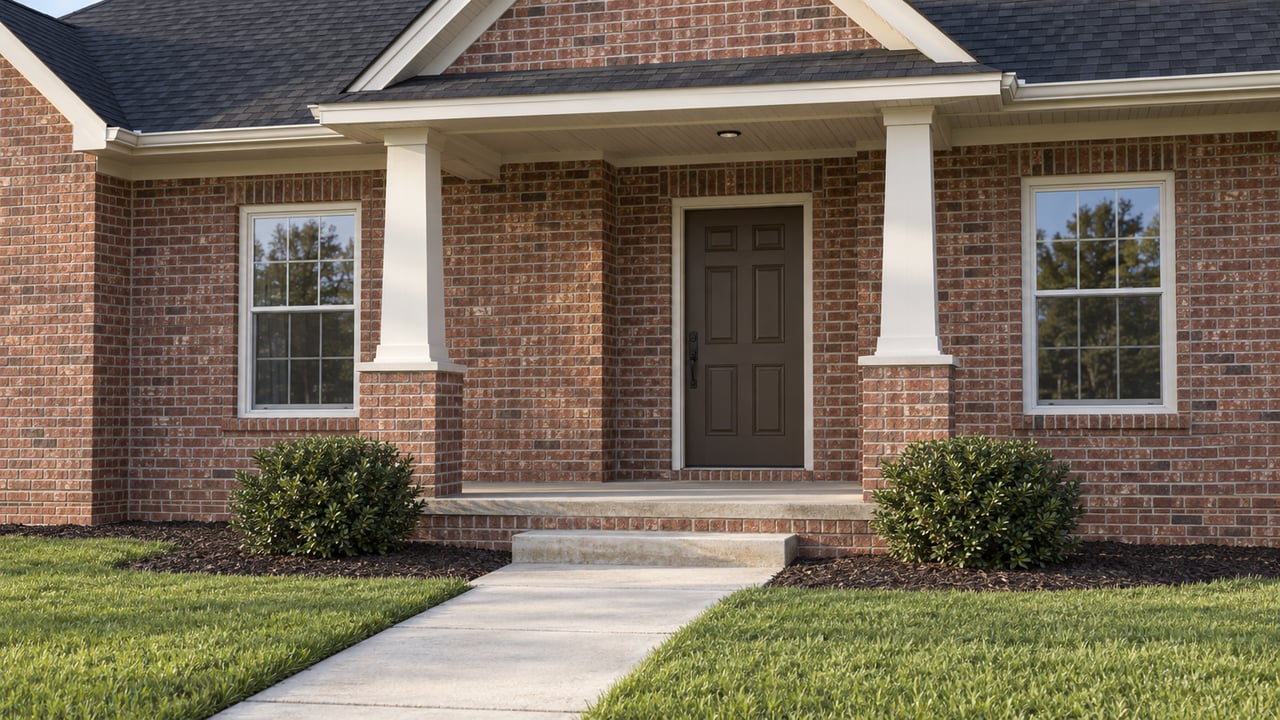
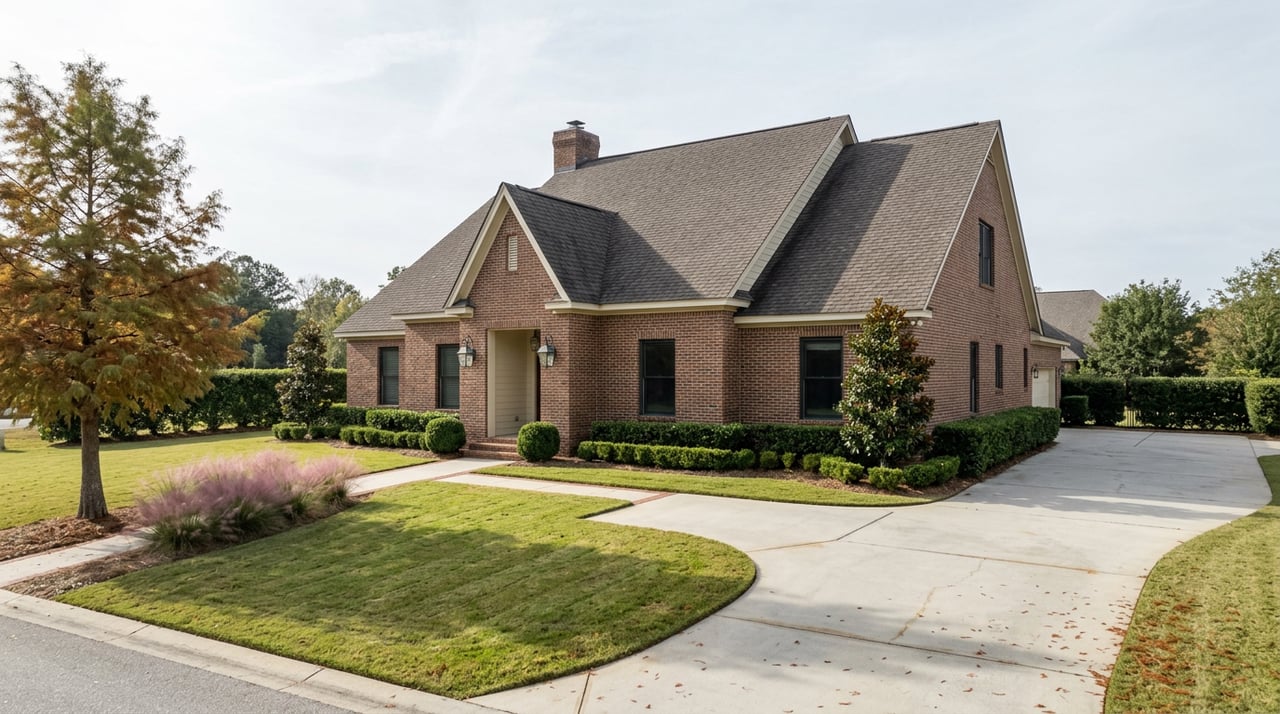
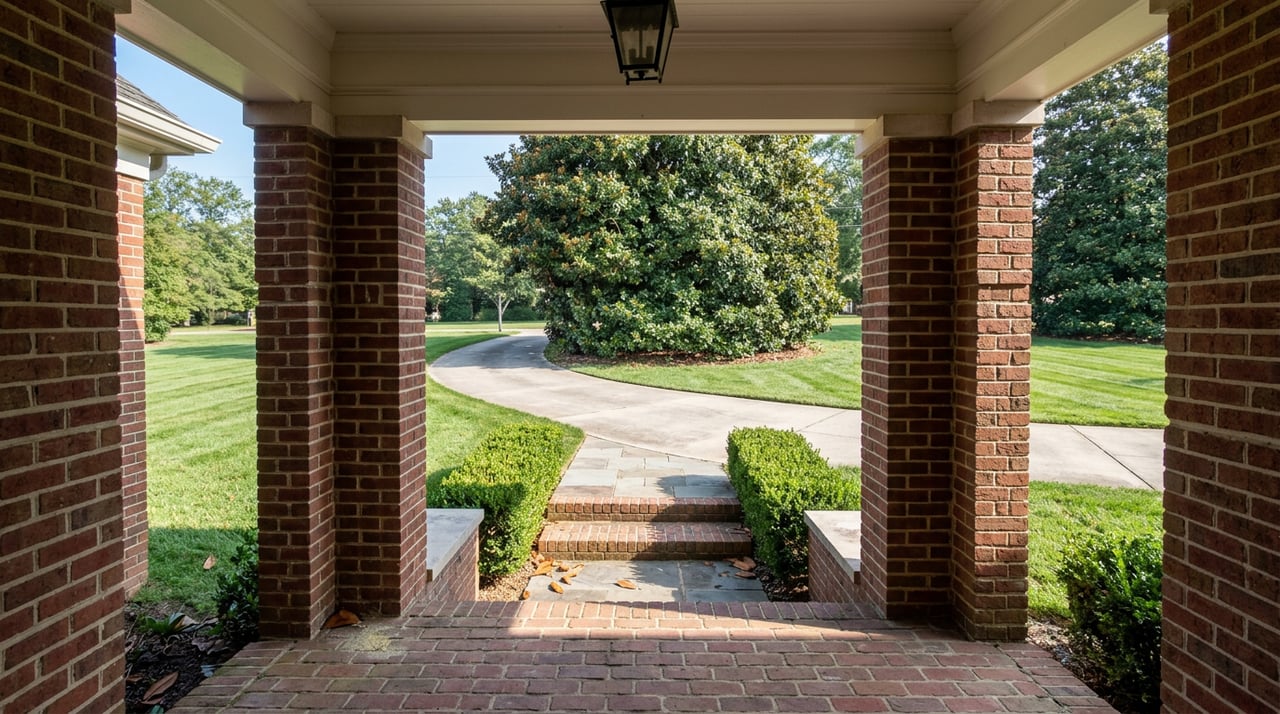
Jackson’s character neighborhoods like Belhaven, Fondren, and Eastover include many homes from the late 1800s through the mid-20th century. Expect Queen Anne, Colonial Revival, Craftsman, and Minimal Traditional styles with original materials such as wood siding, brick, and wood windows. These districts are recognized for early-1900s homes and have formal design guidance in place, as seen in resources on the Belhaven Heights Historic District.
In many properties, you will see a mix of original features and later upgrades. Common construction includes wood-frame structures, brick veneers, lath-and-plaster interiors, and raised foundations with crawlspaces in older sections of the city.
Foundations and structure
Older Southern homes often sit on raised systems like pier-and-beam or crawlspace foundations. These make under-floor access easier but can be vulnerable to moisture, wood rot, poor ventilation, and pier settlement in a humid climate. Regional guidance on foundations in flood hazard areas highlights the need for sound elevation and drainage planning, which you can review through the LSU AgCenter overview.
Watch for bouncy or sagging floors, wood decay at sills, and signs of settlement. If you see large cracks in bearing walls, sloped floors that are getting worse, or a separated chimney, bring in a structural engineer before you close.
Roof and exterior envelope
Many older homes have been re-roofed with asphalt shingles. Typical service lives vary. Architectural asphalt shingles often last about 15 to 30 years, while wood shakes and slate or metal can last longer depending on installation and ventilation. For a clear primer on roof lifespans, see the Fixr roof life expectancy guide.
Focus your inspection on flashing details, chimney flashing, valleys, eaves, soffits, and attic ventilation. Inside the attic, look for staining that can show past or active leaks.
Electrical, plumbing, and HVAC
Electrical systems
In older homes, you may find knob-and-tube or cloth-insulated wiring, smaller service amperage, and older fused panels. Some historic panel brands, such as Federal Pacific or Zinsco, are often flagged by inspectors as safety concerns. A licensed electrician should provide a written remediation plan if hazardous conditions are present. Learn what inspectors look for in older wiring from InterNACHI’s electrical guidance.
Plumbing and sewer lines
Common older materials include galvanized steel supply lines and cast-iron drains. Galvanized pipes corrode from the inside, which reduces pressure and raises leak risk. Many buyers choose to repipe with PEX or copper. For older sewer laterals, a camera scope is a smart add-on to check for clay piping, root intrusion, and offsets. See InterNACHI’s summary of issues in older-home plumbing systems.
HVAC, insulation, and comfort
Expect retrofit central AC and older forced-air furnaces. Ductwork can be undersized or leaky, and older equipment may be near end-of-life. As a rough guide, many furnaces last about 15 to 25 years and central AC or heat pumps often last 10 to 15 years, depending on maintenance. Plan for air sealing and insulation upgrades to improve comfort and efficiency.
Interior finishes and potential hazards
Lath-and-plaster walls are common and usually worth preserving, though repairs are more specialized than drywall. Homes built before the 1980s may contain asbestos in materials like vinyl floor tile backing, pipe insulation, textured ceilings, or vermiculite attic insulation. For vermiculite, the EPA advises assuming possible contamination and either leaving it undisturbed or hiring qualified abatement specialists, as outlined in the EPA’s vermiculite guidance.
If the home was built before 1978, plan for lead-safe practices when disturbing paint. Renovation must follow the EPA’s Renovation, Repair and Painting rules and sellers must disclose known lead information for pre-1978 housing. Review the EPA’s RRP materials if you expect to paint, replace windows, or modify porches.
Moisture, mold, and termites
Moisture control is essential in Jackson’s climate. Attics and crawlspaces with poor ventilation or past leaks can hide wood decay and mold. Address water sources first, then hire professional remediation for large areas if needed.
Mississippi has active subterranean termites, including eastern subterranean and, in parts of the state, Formosan species. Many lenders require a wood-destroying insect report, known as a WDIR. The Mississippi State University Extension provides practical guidance on species and prevention in its termite overview.
Inspections, specialists, and permits
Start with a full general home inspection that follows recognized standards. Attend if you can, ask questions, and use the report to decide which specialists to add. Common follow-ups for older homes include a termite inspection, a sewer camera scope, a licensed electrician’s evaluation, and chimney and lead testing where relevant.
When hiring for specialized work, confirm state licensing and insurance. You can verify credentials with the Mississippi State Board of Contractors. Ask for written scopes, itemized bids, and clear timelines.
If the home is in a locally designated historic district, exterior changes typically require review. Jackson’s Historic Preservation Commission issues Certificates of Appropriateness for work such as roof material changes, window replacements, porches, and fences. Start early with the City of Jackson’s historic preservation application guide.
Budget ranges and smart negotiation
Every house is unique, but these common ranges can help you plan. Always get local quotes.
- Roof replacement, asphalt shingle: roughly 5,000 to 12,000 for typical homes, higher for complex roofs or premium materials. Lifespan often runs 15 to 30 years.
- Whole-house repipe: often 4,000 to 15,000. PEX is usually less costly than copper. Slab plumbing or extensive wall repairs increase cost.
- Electrical upgrades: panel swaps can be in the low thousands. Whole-house rewiring often runs into five figures in larger or complex homes.
- HVAC replacement: many central systems fall around 5,000 to 12,000. Ductwork replacement and higher efficiency units can increase budget.
- Foundation repairs: minor adjustments can be a few thousand. Larger stabilization or replacement can reach tens of thousands. Get an engineer’s plan first.
- Testing and abatement: lab tests are typically modest in cost. Abatement rises with material type and amount. Lead-safe window work and asbestos removal require certified pros.
Smart offer tactics:
- Include a full inspection contingency with targeted add-ons like sewer scope, termite, and electrician evaluation.
- Use itemized contractor quotes to request seller credits or escrow holdbacks when major work is needed.
- Prioritize life-safety items. Electrical hazards, active termite damage affecting structure, and gas leaks should be addressed before closing or secured with funds.
- Keep a reserve. A common rule of thumb for older homes is at least 5 percent of the purchase price for immediate repairs and maintenance. Adjust based on inspection findings.
Buyer checklist for older Jackson homes
Bring this list to showings and when drafting your offer:
- Ask for permits and contractor records for roof, HVAC, electrical, plumbing, and foundation work.
- Request dates and service records for HVAC units, water heater, panel upgrades, and any repiping.
- Get recent termite reports and confirm whether any termite contract can transfer to you.
- Review lead disclosures for pre-1978 homes and ask about known water or flood history.
- Confirm historic-district status and ask for any Certificates of Appropriateness or approvals for recent exterior work.
- Line up a home inspector who has experience with older homes, then add sewer scope, termite, and electrician evaluations as needed.
If you want a clear plan for buying a Jackson classic with fewer surprises, reach out to Stephanie Prisock Nix for step-by-step guidance, vetted inspector and contractor referrals, and negotiation strategies that protect your budget.
FAQs
What counts as an “older” home in Jackson?
- In neighborhoods like Belhaven, Fondren, and Eastover, you will find many homes from the late 1800s through the mid-20th century with original materials and systems that may need updates.
Do historic districts limit exterior changes like windows?
- Yes, locally designated districts often require a Certificate of Appropriateness for exterior work such as window replacements, roof material changes, porches, and fences.
Which inspections are essential for an older home purchase?
- Start with a full home inspection, then add a termite WDIR, a sewer camera scope, a licensed electrician’s evaluation, and chimney or lead testing when relevant.
How much should I budget after closing on an older home?
- Set aside at least 5 percent of the purchase price for immediate repairs and maintenance, then adjust once you have contractor quotes based on your inspection.
Can older wiring or a worn roof affect insurance?
- Yes, insurers may require repairs or documentation for older wiring, near-end-of-life roofs, and similar issues. Address life-safety concerns early to avoid delays.