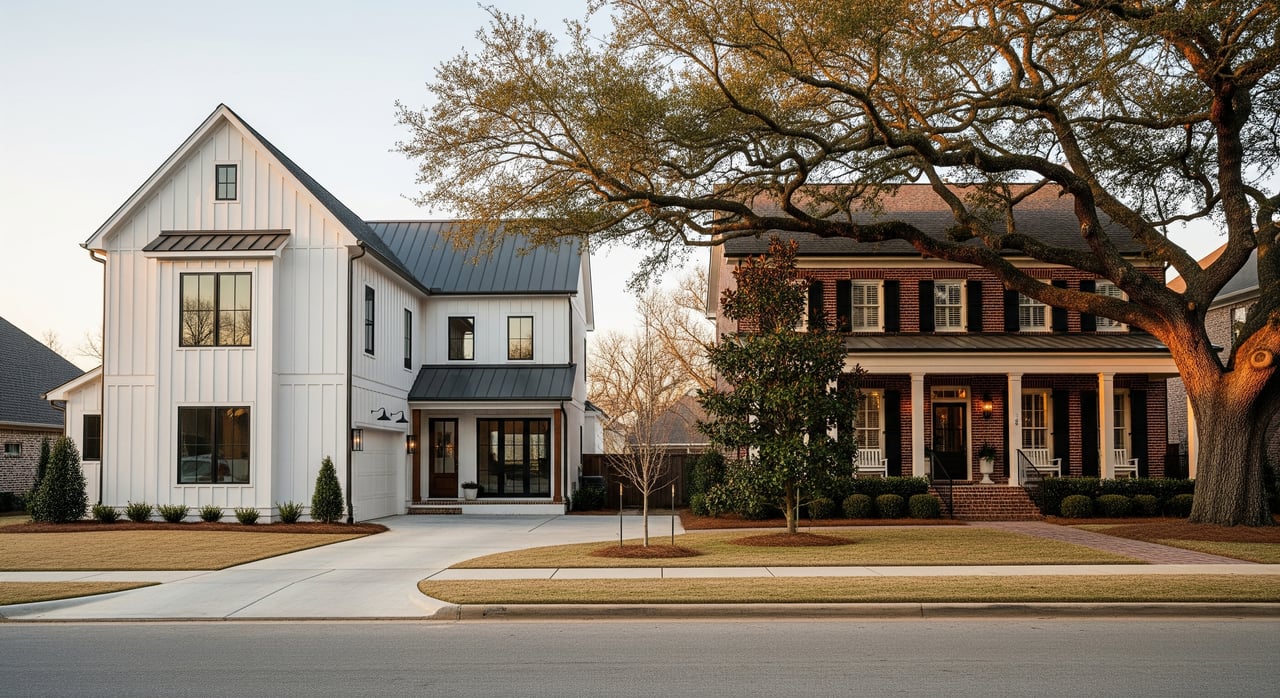
Torn between a brand-new build and a well-kept resale in Pearl? It is a big decision, and the right answer depends on your budget, timeline, and appetite for projects. In this guide, you will compare total cost, risk, and resale potential with a simple, local framework. You will also get practical checklists to use with builders and sellers. Let’s dive in.
Pearl basics that shape your choice
Pearl sits in Rankin County, and parts of the area have known flood risk. Before you fall in love with a home or lot, check the FEMA Flood Map Service Center for flood zones and ask for elevation details. Flood status can change your loan terms, insurance cost, and future resale.
New homes in Pearl go through the city’s permit and inspection process. You can confirm permitting steps with the City of Pearl Building Department, and you should still plan an independent inspection before closing. Municipal checks are helpful, but they do not replace a buyer’s inspection.
Property taxes are set by parcel and can rise as a new build is assessed after completion. Contact the Rankin County Tax Assessor for current rates, homestead exemptions, and any special assessments tied to a subdivision.
Insurance costs in Mississippi reflect elevated storm and flood risk. Policy terms and deductibles vary by location and construction type. Review options with your lender and insurer and start with guidance from the Mississippi Department of Insurance.
Total cost of ownership: beyond the sticker price
Purchase price and closing costs
- New construction often carries a premium for modern plans and efficiencies. Builders may offer incentives like closing cost help or rate buydowns, but those can be priced into the contract. Review the full purchase agreement in detail.
- Resale homes may be lower per square foot and allow credits for inspection findings. You can sometimes negotiate seller concessions if repairs are needed.
Taxes and assessments
Assessed value can reset higher for a brand-new home after it is completed. Ask how recently the parcel was assessed and whether the neighborhood has special assessments for infrastructure. Confirm details with the Rankin County Tax Assessor.
Insurance and flood exposure
New homes that meet current codes and have wind-resistant features may qualify for better insurance pricing than older homes, but location is the main driver. Verify flood zone status and ask for an elevation certificate on new builds. If a property is in a mapped floodplain, flood insurance under the NFIP may be required.
Energy and utilities
New builds typically include tighter envelopes and efficient systems. The ENERGY STAR program and the U.S. Department of Energy show that better insulation, windows, and HVAC can reduce energy use compared to older homes. Mississippi’s residential electricity prices have historically been at or below the national average, according to the U.S. Energy Information Administration, but your actual bill depends on home size and efficiency. Ask builders for a HERS score if available and ask resale sellers for 12 months of utility bills.
Maintenance and replacements
Plan a yearly reserve for upkeep. A common rule of thumb is to set aside about 1 to 3 percent of your home’s value each year for routine maintenance and smaller repairs. New homes tend to start near the lower end. Older homes trend higher, especially if big-ticket items are approaching replacement.
Typical life spans vary. Asphalt shingle roofs may last roughly 20 to 30 years, HVAC systems about 10 to 20 years, and tank water heaters about 8 to 12 years. Budget based on inspection findings and local contractor estimates.
HOA dues and reserves
Many new subdivisions have HOAs with monthly or annual dues. Review HOA financials, reserve studies, and rules. For resales in HOA communities, check for pending special assessments.
Warranties, inspections, and risk transfer
New construction warranties
Most builders offer tiered warranties. Industry norms often include one year for workmanship and materials, two years for systems like plumbing and electrical, and up to 10 years for structural components. Review the written warranty, exclusions, and claim process. For reference, see common builder warranty practices. Confirm whether any third-party structural warranty is transferable and who administers claims.
Inspections you still need
- New construction: Plan a thorough independent inspection near completion and before closing. Attend builder walkthroughs, get a written punch list, and clarify repair timelines. Ask about grading and drainage responsibilities if settling occurs after closing.
- Resale: Order a general home inspection, plus termite, roof, sewer, or septic inspections if indicated. Use findings to negotiate repairs or credits.
Local pest and flood considerations
Termites are common in Mississippi’s climate. For new builds, document pre-treatment and warranties. For resales, review treatment history and inspection results. The Mississippi State University Extension offers helpful guidance on termite prevention. In flood-prone areas, ask about elevated foundations, flood vents, and whether an elevation certificate will be provided.
Resale and neighborhood fit
What drives resale potential in Pearl
Resaleability is driven by location, lot features, and overall condition. Buyers often favor move-in-ready homes with modern systems and layouts. Proximity to employment centers and commute routes can matter. Check HOA covenants and consider how restrictions may help consistency or limit flexibility.
Appraisals and lending
Appraisers depend on comparable closed sales. In areas with many new builds, available comps for your exact plan may be limited. Builder incentives can complicate appraisal values, so make sure your contract addresses appraisal and financing contingencies. FHA and VA loans have different standards for new versus existing homes, so align early with your lender.
Renovation potential and constraints
Resales can offer value-add opportunities through targeted updates. New builds reduce near-term renovation needs but may come with smaller lots or HOA rules that limit changes. Decide whether flexibility or low maintenance matters more for your timeline.
A simple framework to decide
- Define your must-haves. Size, single-level living, yard needs, commute time, and maintenance comfort.
- Gather all the numbers. Final price, upgrades, closing costs, first-year fixes, property taxes, HOA dues, homeowners and flood insurance, utilities, and a maintenance reserve using the 1 to 3 percent rule.
- Weigh risk and timing. Warranty coverage, inspection results, and whether you can wait for construction or need to move soon.
- Look 3 to 5 years out. Consider how buyers will view your home later, including neighborhood growth and nearby new construction.
- Negotiate with a plan. On new builds, put upgrades, timelines, and warranty terms in writing. On resales, use inspection reports to request repairs or credits and verify disclosures.
Questions to ask a builder
- What is included in the base price, including lot, driveway, landscaping, and appliances?
- Which features are standard versus upgrades, and what are the costs of each?
- Can you provide the full written warranty, coverage periods, exclusions, and claim process? Who is the warranty provider, and is it transferable?
- Are independent inspections allowed during construction, and at which stages?
- Who is responsible for final grading, drainage, and any settling-related corrections after closing?
- What is the HERS score if available, plus HVAC SEER rating, insulation R-values, and appliance efficiency ratings?
- What are the estimated property taxes for the finished home, and how were they calculated?
- Has the lot been evaluated for flood risk, and will you provide an elevation certificate if applicable?
- Which subcontractors and manufacturers are used for roofing, windows, HVAC, and appliances?
- Can you provide proof of permits, municipal signoffs, and an expected certificate of occupancy date?
Questions to ask a resale seller
- How long have you owned the home, and what major updates or repairs were completed and when?
- Can you share 12 months of utility bills, current insurance costs, and the most recent property tax bill?
- Are there prior inspection reports or required disclosures available?
- Is there any history of structural, drainage, or pest issues, including termite treatment records?
- Is the home in a FEMA flood zone, and can you provide an elevation certificate and any flood insurance claims history?
- If there is an HOA, can you provide the governing documents, recent meeting minutes, budget, reserves, and any pending special assessments?
- Do you have invoices and warranties for recent replacements like roof, HVAC, water heater, or appliances?
Common mistakes to avoid
- Only comparing list prices rather than total cost of ownership.
- Skipping independent inspections on new construction.
- Assuming new homes always cost less to insure without checking flood zones and wind provisions.
- Forgetting about HOA dues or potential special assessments.
- Underestimating maintenance on older systems and finishes.
Ready to compare homes in Pearl?
Whether you lean new or resale, the best decision is grounded in local costs, warranty coverage, and clear next steps. If you want a steady, construction-literate guide who understands lending and the Pearl market, reach out to Stephanie Prisock Nix. Let’s review your numbers, vet the risks, and find the right fit with fewer surprises.
FAQs
What is usually cheaper to own in Pearl, MS, a new build or a resale?
- It depends on flood risk, insurance, HOA dues, energy use, and likely repairs; compare total cost of ownership, not just the purchase price.
How does flood risk affect buying a home in Pearl, MS?
- Flood zones can change loan requirements and raise insurance costs; check the FEMA Flood Map Service Center and ask for elevation information.
What warranties come with new construction in Pearl, MS?
- Many builders offer one year for workmanship, two years for systems, and up to ten years for structural items; verify terms, exclusions, and transferability in writing.
Do I still need an inspection on new construction in Pearl, MS?
- Yes, schedule an independent inspection, attend builder walkthroughs, and get a written punch list with timelines for completion.
How should I estimate home maintenance costs in Rankin County, MS?
- A common rule of thumb is 1 to 3 percent of home value per year, with newer homes often closer to the lower end and older homes trending higher.
What insurance factors matter most for homes in Pearl, MS?
- Location, construction features, and flood status drive premiums; start with your lender and the Mississippi Department of Insurance for guidance and options.