If you’re wondering how long it really takes to sell a home in Flowood, the honest answer is this: it usually happens in stages, not all at once. You may be balancing repairs, paperwork, pricing decisions, and your own moving timeline, so it helps to know what comes first and what can slow things down. With the right plan, you can reduce surprises and keep your sale moving with more confidence. Let’s walk through a realistic step-by-step timeline.
Start With Your Selling Goals
Before you list, take a step back and define what matters most to you. You may want the strongest possible price, a faster sale, or a closing date that lines up with your next move.
Those goals shape every decision that follows, including repairs, pricing, and how aggressively your home is marketed. In Flowood, where market times can vary from a few weeks to well over a month depending on the home and competition, clarity up front matters.
Weeks 1 to 2: Hire Your Agent and Build the Plan
One of your first steps is choosing the agent who will guide the process. National data shows most sellers work with an agent, and many say pricing, marketing, and timeline management are top priorities.
This is where a local, hands-on approach can make a real difference. You want a clear plan for pricing, preparation, photography, showings, and how to handle issues before they become delays.
Set Pricing Early and Carefully
Pricing is not something to guess at after the sign goes up. A strong pricing strategy helps you attract serious buyers early, when your listing is freshest.
National seller data shows some homes need price reductions, which is why early pricing discipline matters. In a market like Flowood, where active selling time is often measured in weeks and can vary by price point and condition, realistic pricing can help you avoid losing momentum.
Budget Time for Prep
For a move-in-ready home, the early preparation phase may take about 1 to 4 weeks. If your home needs larger repairs, exterior work, or major updates, your timeline may stretch longer.
That prep window often includes decluttering, basic touch-ups, cleaning, and deciding whether to address larger issues before listing. The better organized you are now, the smoother your launch tends to be.
Weeks 1 to 4: Prepare the Home for Market
This stage is where you make your home easier for buyers to understand and appreciate. The goal is not perfection. The goal is a clean, well-presented home that shows clearly in person and in photos.
Consider a Pre-Listing Inspection
A pre-sale inspection is optional, but it can help you uncover issues before a buyer does. Common findings may involve the roof, structure, plumbing, electrical systems, HVAC, insulation, fireplaces, or other health-related concerns.
Even if you decide not to fix everything, knowing what may come up gives you time to price accordingly and plan your response. That kind of preparation often leads to fewer surprises during negotiations.
Focus on High-Impact Prep
Simple preparation can go a long way. Common tasks include:
- Decluttering rooms and storage areas
- Cleaning windows, carpets, walls, and light fixtures
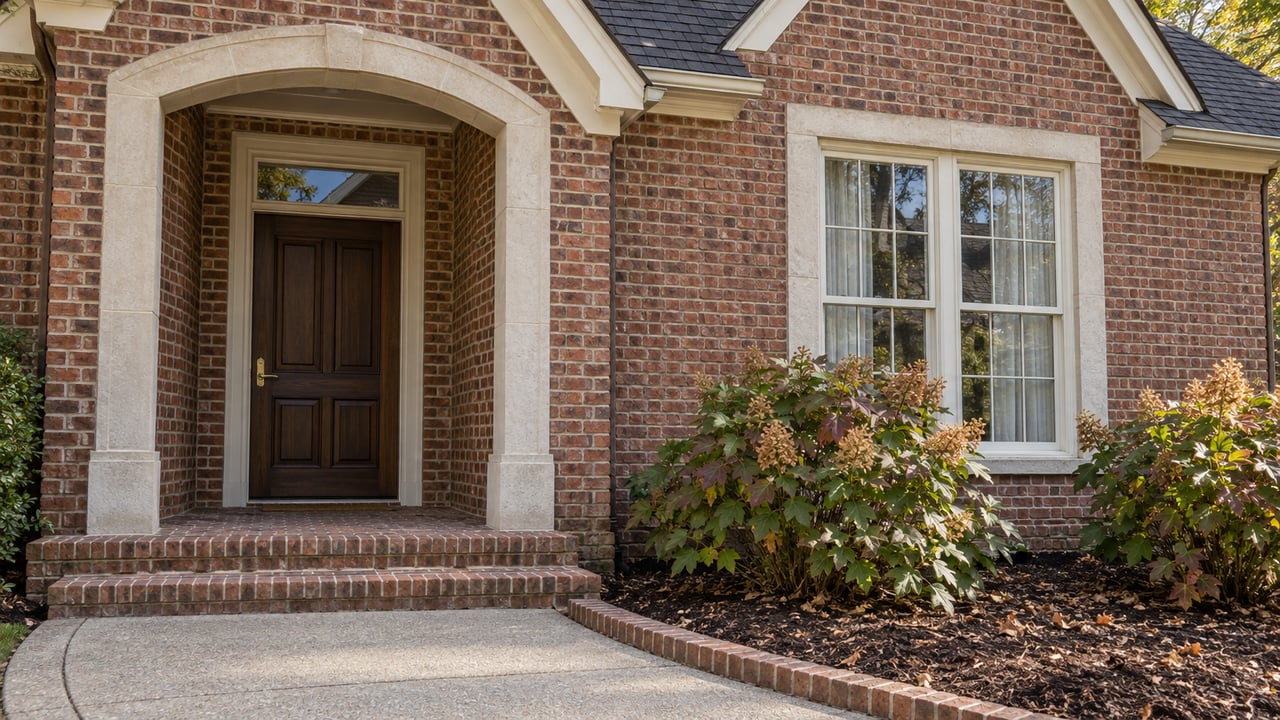
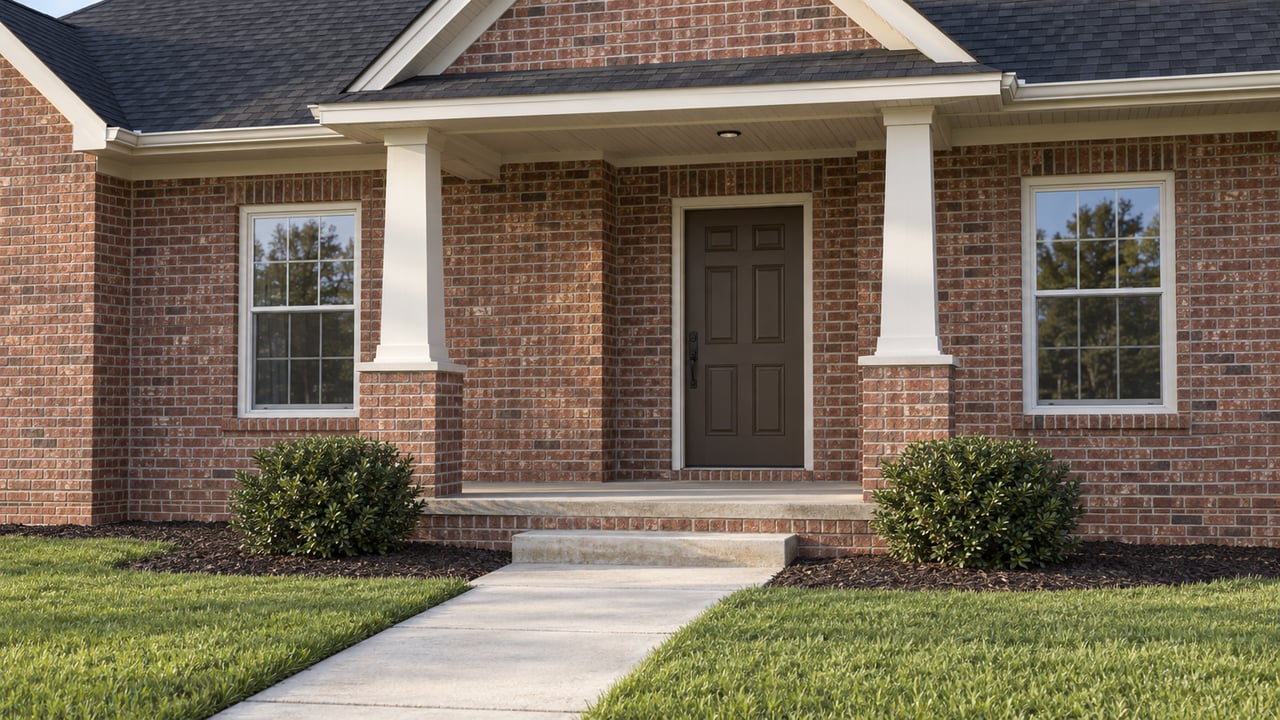
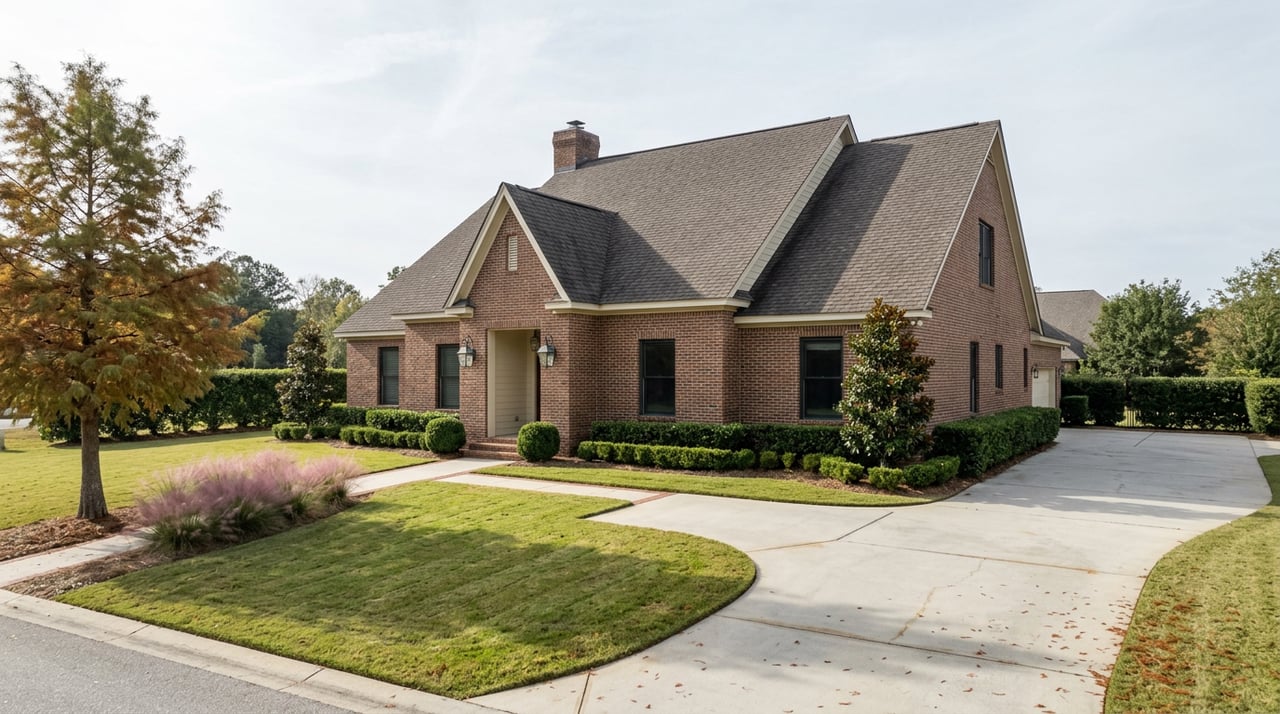
- Improving curb appeal
- Removing distractions that make rooms feel smaller or darker
Because buyers often see your home online before they ever schedule a showing, photo readiness matters. Clean, bright, and orderly spaces usually create a stronger first impression.
Gather Manuals and Warranty Information
If certain systems or appliances will remain with the home, gather any warranties, guarantees, and manuals while you still have time. This small step can make closing smoother and help buyers feel more informed.
It also reduces last-minute scrambling once you are already under contract. A well-prepared seller often looks more credible and organized throughout the transaction.
Check Permit Requirements for Major Work
If you plan to complete exterior, structural, or other significant pre-listing work, confirm whether a local permit may be required before work begins. Flowood provides residential permit applications and related development forms through the city.
This matters because permit questions can create delays later if work was done without the proper approvals. It is much easier to verify requirements before the project starts than to sort it out during a contract period.
Before Listing: Complete Required Disclosures
In Mississippi, disclosure timing is a major part of the selling timeline. For many residential sales, the Property Condition Disclosure Statement must be delivered before the buyer signs an offer or binding contract.
The form is based on your actual knowledge and is not a warranty. It also does not replace the buyer’s right to inspect the property.
Why Disclosure Timing Matters
If the Property Condition Disclosure Statement is delivered late, the buyer may have the right to terminate after receiving it within the allowed time period, with earnest money returned. That means incomplete or delayed paperwork can disrupt a deal that otherwise looked solid.
This is one reason it helps to prepare disclosures before your listing goes live. When your documents are ready early, your sale has fewer avoidable risks.
Homes Built Before 1978 Need Extra Steps
If your home was built before 1978, a separate lead-based paint disclosure process applies. Sellers and agents must disclose known lead-based paint hazards, provide available reports, and follow the required lead disclosure process before sale.
That process can also include a buyer opportunity for a lead inspection or risk assessment unless waived or otherwise agreed. If your home falls into this category, it is smart to prepare these items well before offers arrive.
Weeks 2 to 4: Stage, Photograph, and Launch
Once the home is clean, repaired, and disclosure-ready, it is time to prepare for market. This usually includes staging, professional photography, final pricing decisions, and listing activation.
Staging does not always mean a full redesign. Often, it means arranging furniture and decor in a way that helps buyers picture how the space functions.
Launch With a Strong First Impression
Your first days on the market matter. Buyers who have been watching for new listings often act quickly when a home looks well-priced and well-presented.
That is why it helps to launch only when the home is ready. If your listing goes live before photos, prep, or pricing are fully dialed in, you may lose valuable early attention.
First Few Weeks on Market: Showings and Offers
Once your home is live, the timeline becomes less predictable. Some homes get immediate attention, while others take longer based on price, condition, location, and competing inventory.
Nationally, the typical home recently sold in about three weeks on market. In Flowood, available market snapshots suggest a longer or more mixed timeline, so it is better to think in terms of weeks, not days.
Expect Feedback and Adjust If Needed
During this stage, you may receive showing feedback that helps you spot patterns. If multiple buyers mention condition, layout, or price, that information can guide your next move.
Sometimes the right response is patience. Other times, it may be a presentation update or a price adjustment if the market response is weaker than expected.
Under Contract: Inspection, Appraisal, and Closing Steps
Accepting an offer is a big milestone, but it is not the finish line. From contract to close, several moving parts still need to come together.
Most financed sales include buyer inspections, lender review, appraisal, title work, and closing coordination. This is often the stage where paperwork and timing matter most.
Inspection Period
After contract acceptance, the buyer may complete inspections and request repairs or concessions based on the findings. If you already addressed major concerns or understood them ahead of time, this phase often feels more manageable.
This is also where realistic expectations help. Very few transactions move from contract to closing with zero follow-up questions.
Appraisal and Lender Review
If the buyer is financing the purchase, the lender typically orders an appraisal and works through final loan approval. Delays can happen here if documents are missing, conditions take time to satisfy, or scheduling backs up.
This is another reason a well-organized sale matters. Clean records, prompt responses, and steady communication help keep the process moving.
Final Closing Timeline
For many financed transactions, the buyer must receive the Closing Disclosure at least three business days before closing. That built-in review period means last-minute changes can affect the closing date.
A practical local detail is that recorded documents are handled through the Rankin County Chancery Clerk after closing. Clear title work and timely document coordination remain important all the way to the end.
Common Delays You Can Often Prevent
Some delays are hard to control, but many are avoidable with good preparation. The most common timeline issues include:
- Late or incomplete disclosure paperwork
- Unresolved repair concerns
- Permit questions on recent work
- Appraisal or lender timing issues
- Last-minute document requests before closing
A steady, local agent can help you spot these issues early, coordinate with the right parties, and keep your transaction from drifting off schedule.
Why Local Guidance Matters in Flowood
Selling a home is not just about putting it online and waiting. It is about making smart decisions in the right order, with local timing, paperwork, and buyer expectations in mind.
In Flowood, that means understanding how long prep may take, how variable market time can be, when disclosures must be delivered, and what can stall a closing. It also helps to work with someone who can give practical advice on pricing, repairs, and presentation without adding unnecessary stress.
If you’re getting ready to sell and want a clearer plan for your home, Stephanie Prisock Nix can help you map out the process from prep to closing with steady, local guidance.
FAQs
How long does it take to sell a home in Flowood?
- For many sellers, the process is best measured in stages over several weeks. A move-in-ready home may take about 1 to 4 weeks to prepare before listing, and the on-market period in Flowood can range from a few weeks to well over a month depending on price, condition, and competition.
What should I do before listing my Flowood home for sale?
- Before listing, focus on pricing strategy, decluttering, cleaning, basic repairs, possible pre-listing inspection decisions, and getting your disclosure paperwork ready. If you are planning major exterior or structural work, also check whether local permit approval may be needed.
When is the Mississippi Property Condition Disclosure Statement due?
- For many residential sales in Mississippi, the Property Condition Disclosure Statement must be delivered before the buyer signs an offer or binding contract. Delivering it late can give the buyer a chance to terminate within the allowed time period.
Should I get a pre-listing inspection before selling in Flowood?
- A pre-listing inspection is optional, but it can help you identify issues early and decide what to repair, disclose, or price around before buyers begin their inspections. This often reduces surprises once you are under contract.
What can delay closing on a Flowood home sale?
- Common delays include incomplete disclosures, repair negotiations, permit questions, appraisal issues, lender conditions, and timing around the Closing Disclosure. Early preparation and prompt communication can help reduce these risks.