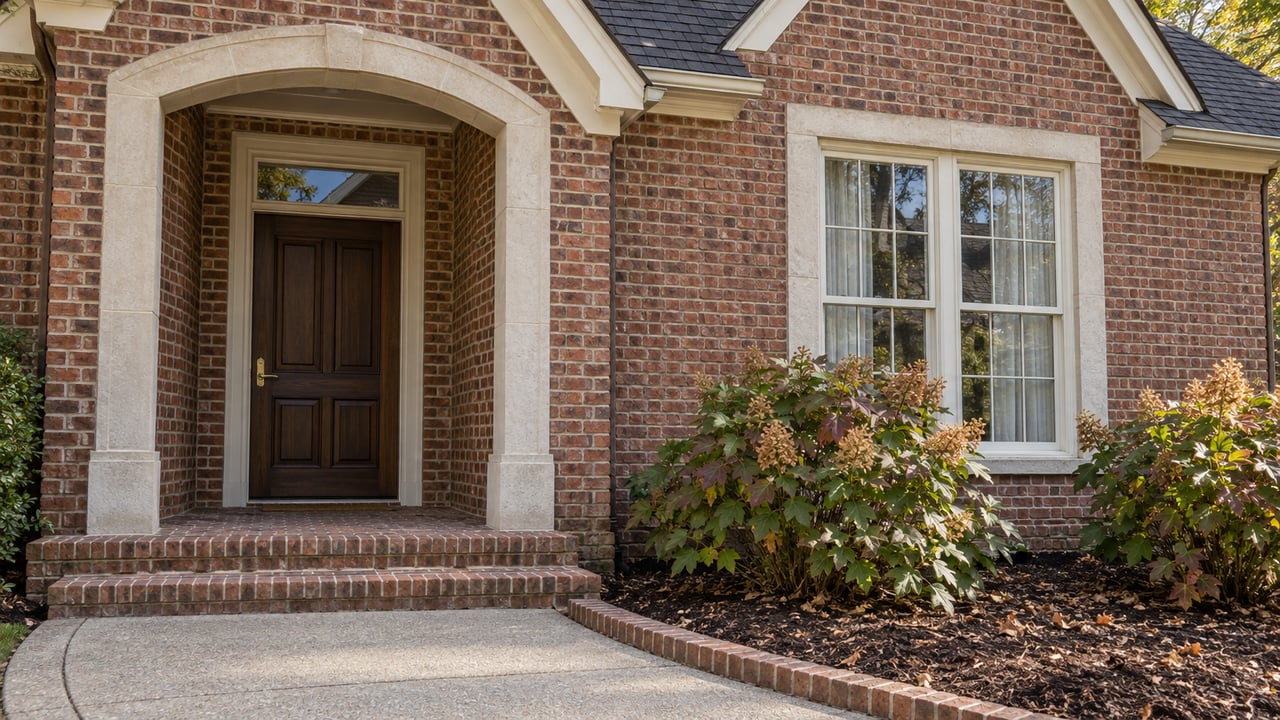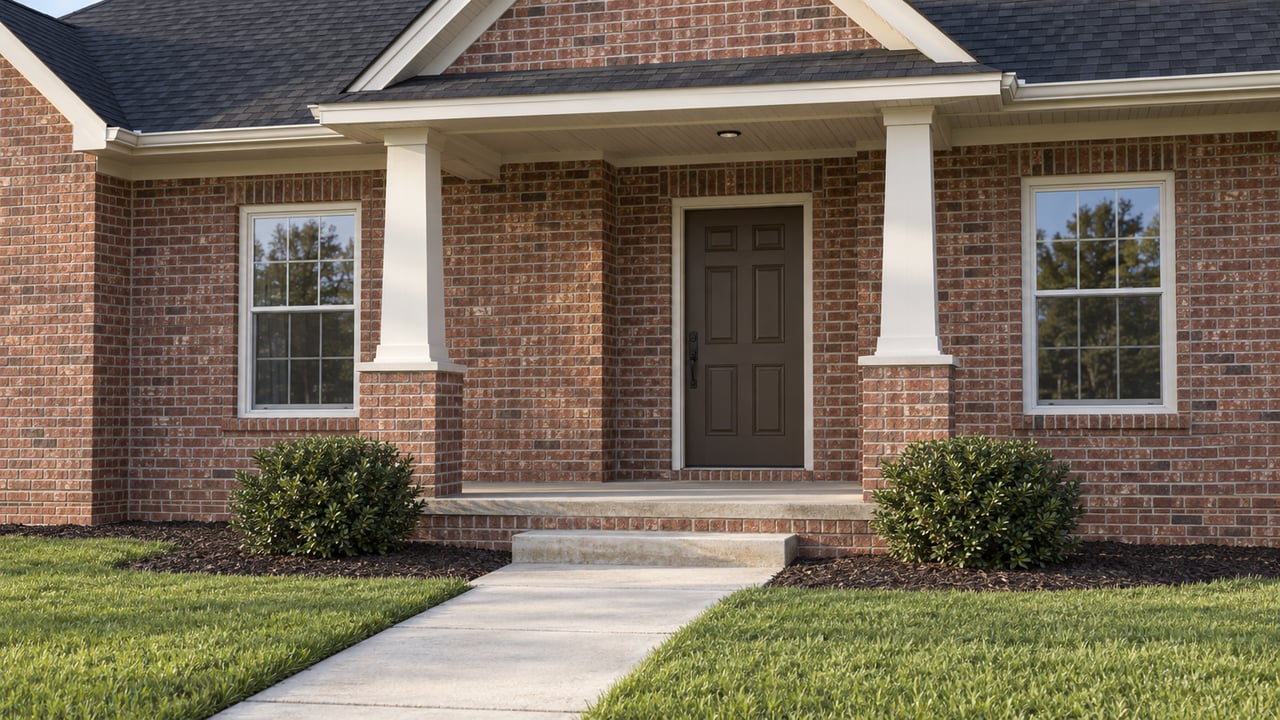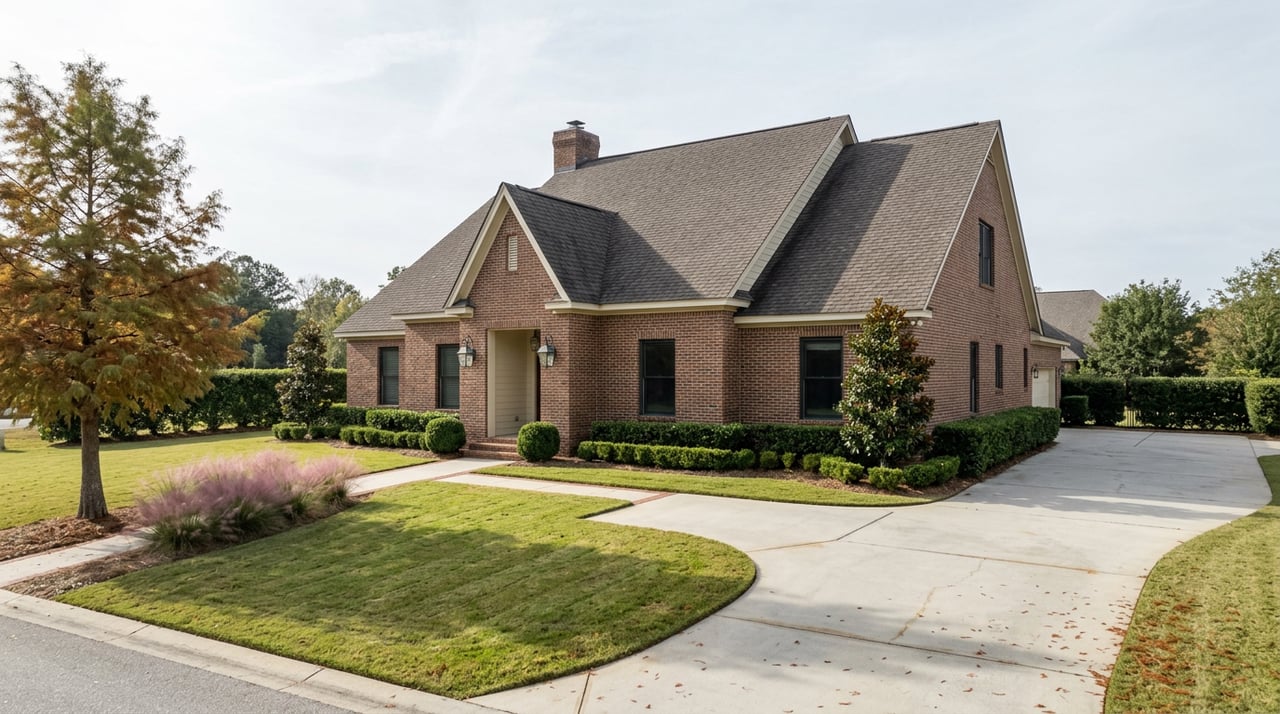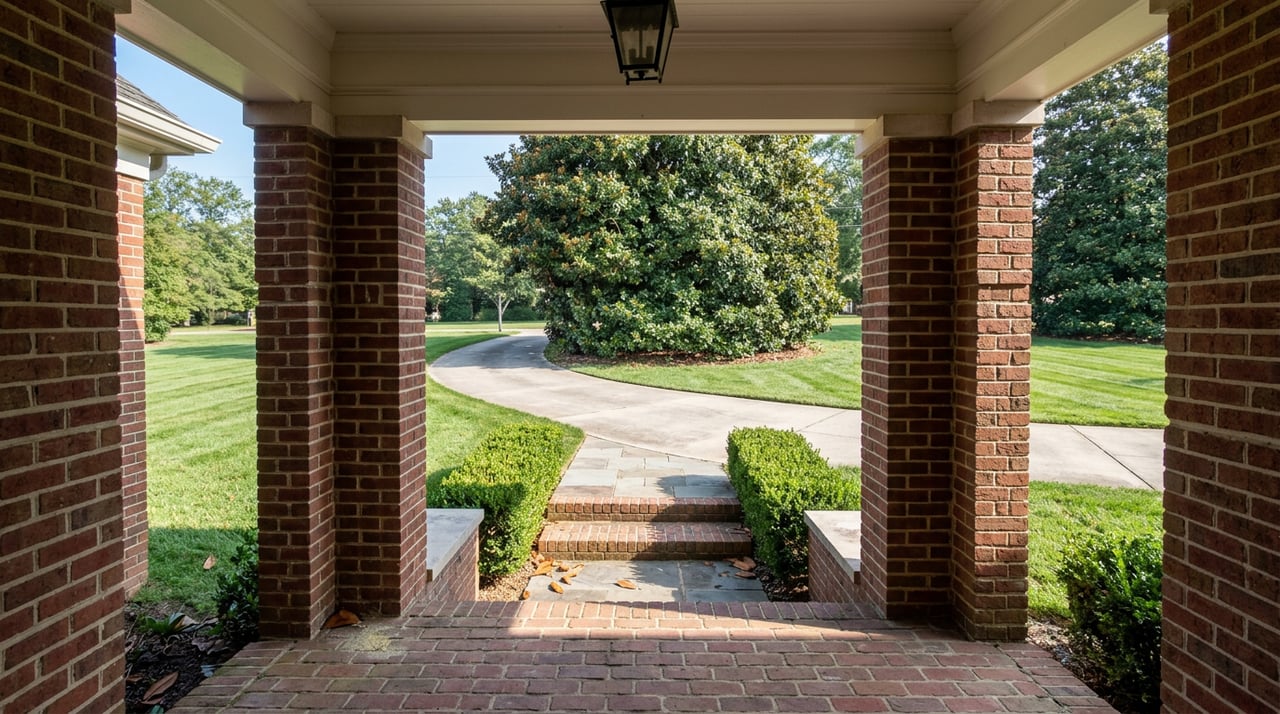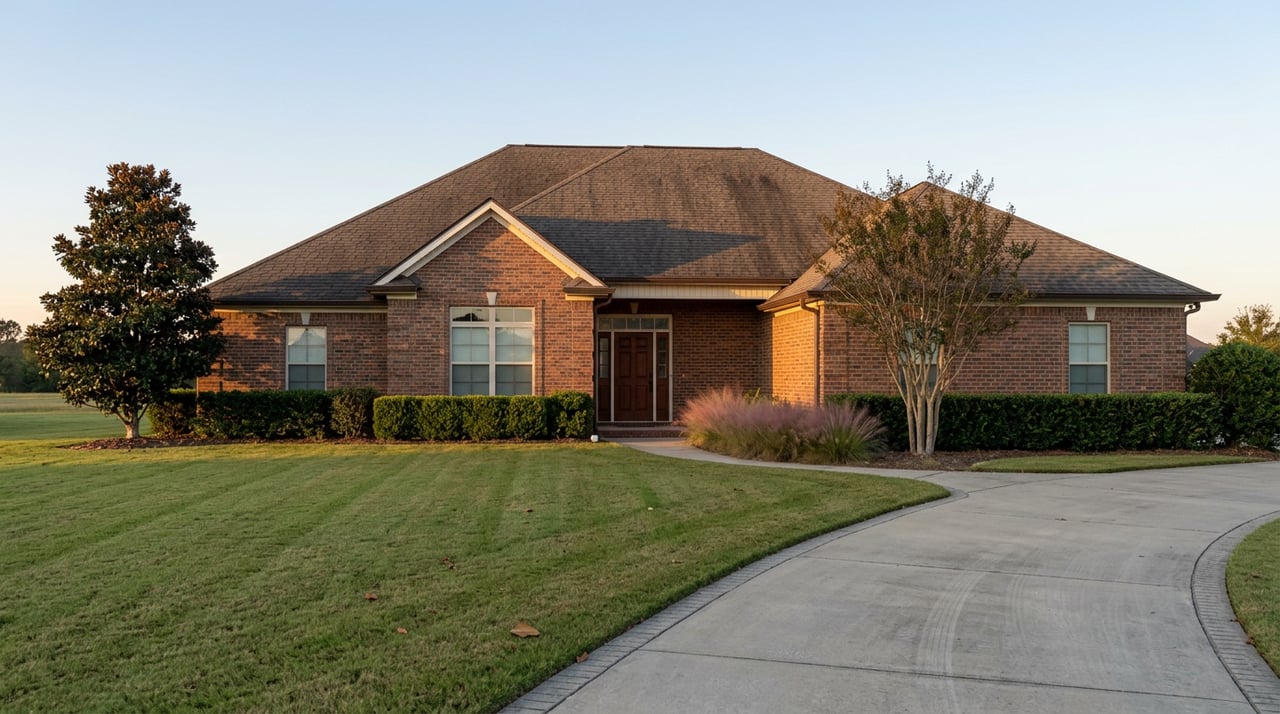
A four-bedroom brick home on a cul-de-sac near the water, priced a notch below what the square footage would fetch a mile inland. The listing photos show the dock, the sunset, the quiet. For homes on District land, it is also important to know whether the land beneath the driveway is owned or leased.
Across a meaningful share of Ridgeland's shoreline neighborhoods, the answer isn't the seller. It's the Pearl River Valley Water Supply District, the state agency that has governed the Ross Barnett Reservoir and the land within a quarter mile of its shoreline since 1958. The Pearl River Valley Water Supply District's residential lease FAQ explains that some buyers are purchasing a lease rather than the land itself, so the lease terms and related costs matter after closing.
How District Land Leases Affect a Sale
The reservoir was built to secure Jackson's drinking water supply, and the bonds that financed it were paid off in 1992. Since then, the district has funded itself almost entirely through lease payments on the roughly 17,000 acres of shoreline property it controls, spread across more than 6,000 residential and commercial leases and 66 subdivisions with active homeowners associations and architectural review committees.
That structure means a house can be fully financeable, insurable, and sellable while the ground it sits on is leased rather than owned. The district's own five-year strategic plan confirms it is actively managing and leasing additional land on the Ridgeland side of the reservoir right now, which is a reminder that this isn't legacy paperwork from the 1960s. It's an ongoing, present-tense part of how property here changes hands.
For a buyer comparing two similar homes, one on district land and one a few streets away in fee simple, the sale price alone won't tell you which is which. The deed will.
Transfer Approval and Your Closing Timeline
Fee simple sales close on a fairly predictable timeline: title search, survey if needed, lender sign-off, closing. Leasehold sales on district land require an additional step before closing: district approval of the transfer.
The district must consent to any transfer or sublease of a residential lease before that lease can pass to a new owner. A buyer who assumes the reservoir closing will move at the same pace as a standard Ridgeland resale can find their timeline stretched by a step that has nothing to do with financing, inspection, or appraisal.
The lesson isn't that these deals don't close. Thousands have. It's that the closing calendar for a leasehold property should be built around this approval from day one, not discovered when a title company flags it two weeks before the walkthrough.
Lease Escalations and Utility Costs
Residential leases on district land typically escalate on a fixed schedule, rising roughly ten percent every five years. That number is written into the lease. It's predictable, it's disclosed, and a buyer who does basic diligence will see it coming years in advance.
Water and sewer bills are another part of the carrying cost, and their rates have changed over the past year.
In December 2025, the district raised water and sewer rates for the billing cycle, driven by roughly $358,000 in added annual costs from its third-party sewer treatment providers and close to $500,000 in capital repairs the district said couldn't wait, including well and lift station fixes, new generators, and a sewer line relocation mandated by the Mississippi Department of Transportation. District officials were direct about why lease income couldn't cover any of it: state accounting rules require the water and sewer system to be self-sustaining on its own revenue, separate from what the district collects in land leases. One line of income can't subsidize the other.
Less than a year later, the district's board approved another round of water and sewer increases, this time taking effect with the October billing cycle. Two rate increases inside roughly ten months is not the pace of an occasional adjustment. It's a system under sustained cost pressure, and because state rules keep utility revenue and lease revenue on separate tracks, there's no mechanism for one to smooth out the other. A leaseholder can face the scheduled lease bump and an unscheduled utility increase in the same year, and neither one offsets the other.
These costs belong in the overall housing budget, alongside the figures in a listing sheet or mortgage calculator. Lease escalations follow the schedule in the lease. Utility rates are set separately.
Questions Worth Asking Before You Write The Offer
A few questions turn these considerations into something you can actually price into an offer:
- How many years remain on this specific lease, and when is the next scheduled escalation
- What is the current water and sewer rate for this property, and has it changed in the past twelve months
- Has the district approved or discussed any capital projects that could affect this subdivision specifically
- What is the expected timeline for the district's consent to transfer, and has that request already been submitted
- Is there a current estoppel or lease standing letter confirming the lease is in good order with no unpaid balances
None of these questions require a specialist. They require asking, and asking early enough that the answers can still change your offer or your closing date.
FAQ
Is a reservoir lease the same as renting an apartment? No. A residential lease on district land can be sold, willed, or placed in a trust the same way a fee simple property can. The difference is that the district must consent to the transfer, and the lease itself, not a deed to the land, is the asset being conveyed.
Can leasehold reservoir homes get a standard mortgage? Many buyers finance these homes conventionally, but not every lender treats leasehold property the same way as fee simple, and terms can vary. This is worth confirming with your lender early, before you're under contract and against a clock.
How do I find out how many years are left on a specific lease? The district's lease department can confirm the remaining term and escalation schedule for a specific property. That information should be part of your due diligence before closing, not something you assume from the listing.
Buying near the water in Ridgeland can still make sense. It just means considering the full lease and utility picture alongside the listing price. If you're weighing a reservoir property against something a few streets inland, Stephanie Prisock Nix can walk through what a specific lease, escalation schedule, and utility history actually mean for your budget. Get your free home valuation and start with the numbers that matter.
This article is general information, not legal, tax or financial advice. Consult a qualified professional about your situation.